
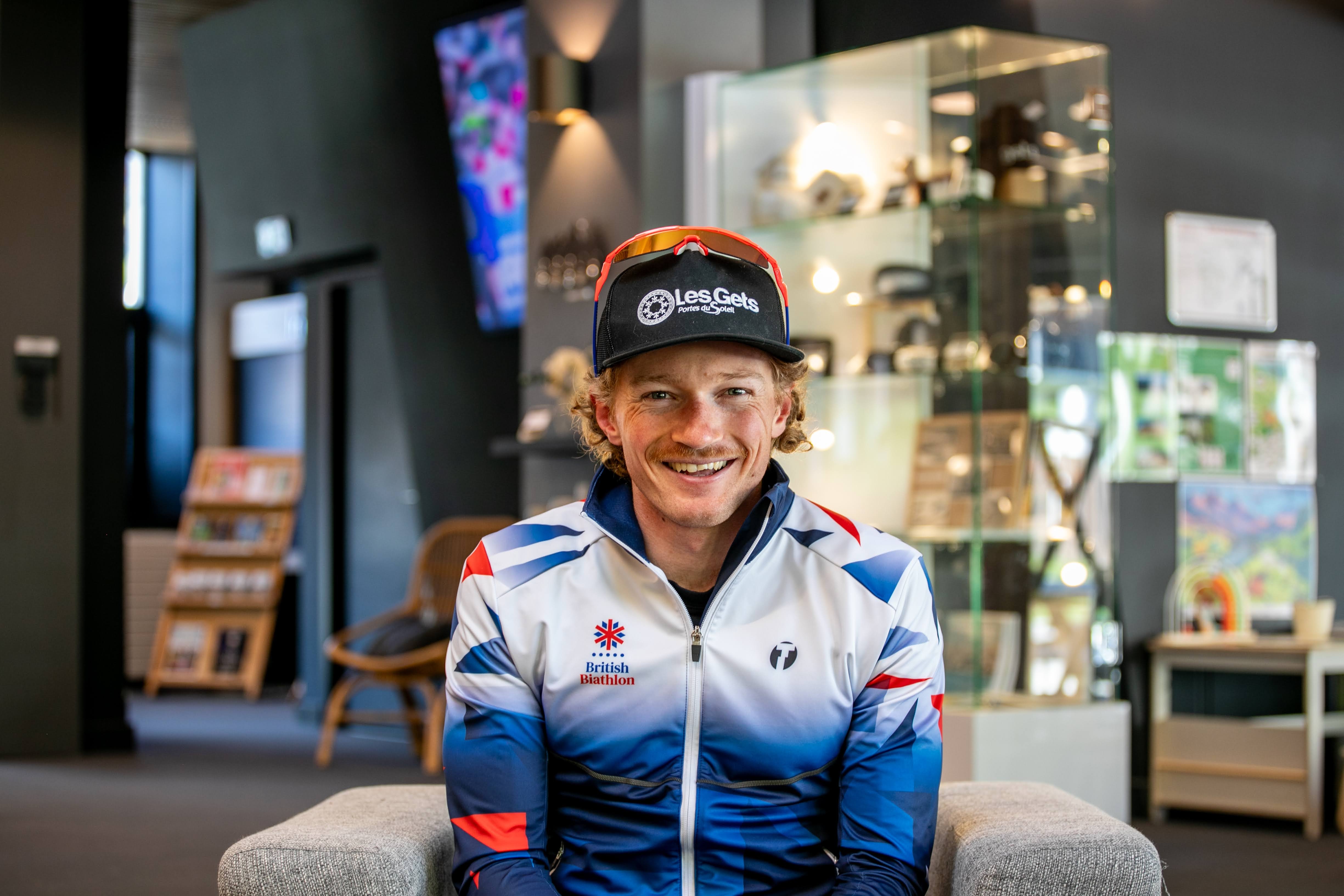
Exploring Mindset and Motivation with Olympic hopeful Jacques Jefferies
We caught up with British–French biathlete Jacques Jefferies from his training base in Austria, where he’s preparing for the start of the winter racing season and aiming for qualification for the 2026 Winter Olympics. As supporters of his Olympic journey through his GoFundMe campaign, we were excited to hear more about his path. In this interview, Jacques talks about growing up in the Alps, switching from the French team to Great Britain, managing the mental demands of biathlon, and what keeps him motivated.
Growing Up in the French Alps
Jacques, can you tell us a little about your upbringing in the French Alps and how you first found biathlon?
Jefferies: “I was born near Lake Geneva and grew up in Les Gets, in the Portes du Soleil. Anyone who knows the area knows it’s all about alpine skiing and downhill mountain biking. My parents put me on alpine skis very young and I joined the local club, because that’s just the natural path there.
But I always felt more drawn to endurance sports. I was a good runner as a kid and loved long days outside, so the high-speed, high-pressure environment of alpine racing didn’t completely suit me. I discovered biathlon through a few try-out sessions after seeing it on TV, and it immediately felt like a better fit - more endurance-based, more accessible, and a lot more relaxed for young athletes. I switched around 13, and that’s been my world ever since.”
Switching From France to Great Britain
This year you made the major decision to compete for Great Britain rather than France. What led to that change?
Jefferies: “I moved through the French system the standard way; club, regional groups, then into the national team. I spent four years with the French national squad and achieved some great things. But over the last two years, the relationship became more complicated, particularly around selection policies and fairness.
Being British has always been part of who I am, and the possibility of switching was always there. At the end of last winter, I felt it was the right moment. Switching to Great Britain gives me a clearer path to international races and hopefully the Olympic Games. It lets me focus on training and performance instead of racing every weekend just to fight for selection.”
What differences stand out between the two systems, and what do you hope to contribute to the British programme?
Jefferies: “France is one of the most established winter sports nations in the world, with a huge budget, a deep pool of athletes, and a rigid structure. Everything is highly competitive. The British programme is much smaller, more personal, and more collaborative. It’s still growing, and that’s motivating. We’re building something!
From my experience in France, I can bring things like training structure, professionalism around nutrition and recovery, and general habits that support long-term performance. It won’t change overnight, but over the next few years we can build a stronger federation with clear systems in place.”
The Biathlon Mindset
Biathlon mixes maximum physical effort with high-precision shooting. How do you manage that switch during races?
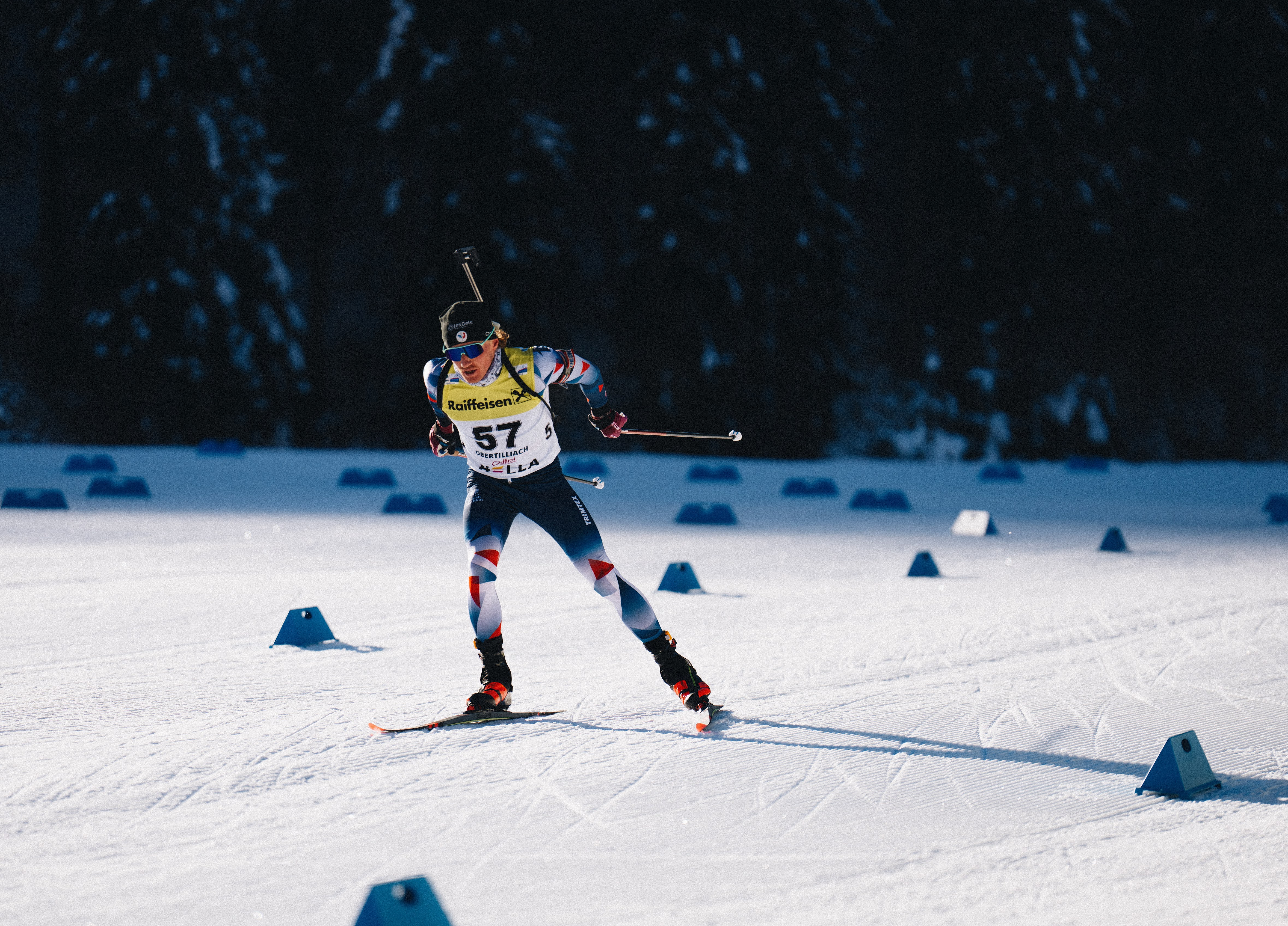
Jefferies: “That contrast is exactly what makes biathlon so tough. You ski all-out for several minutes, your heart rate is sky-high, and then you suddenly have to be extremely controlled.
I rely on a consistent routine. As I arrive at the range, I have a small physical cue - in French I’d call it an ancrage - a kind of quick shake that brings me into focus. From that moment, everything narrows to one objective: hit the five targets. I control my breathing, bring the heart rate down as much as possible, and block out everything around me.
Repeating the same actions every single time is key. You train that rhythm endlessly so that even under pressure, it becomes automatic.”
Talking About Mental Health
You speak openly about mental health in sport and even ran a survey for athletes. What inspired that?
Jefferies: A few years ago, I faced my own mental health challenges and wanted to know whether others in the sport were feeling similar pressures, so I put together a survey. It included biathletes but also athletes from other sports.
The biggest thing I learned was that nearly everyone has faced mental health difficulties at some point. That’s really reassuring. When you’re not feeling great, it helps to know you’re not the only one. It also means there are people around you who understand and who you can speak to.”
Is there anything you now do daily to support your mental wellbeing?
Jefferies: “I journal every day. It doesn’t have to be long, but writing down how I feel and how training went helps me process things. I also write a newsletter where I share the reality of life as an athlete - the good parts and the challenges. It helps me step back from whatever I’m worrying about and gives people a more honest view of the sport.”
Training Through the Seasons
What does a typical training week look like for you?
Jefferies: “It depends on the time of year.
In summer, training is all about building volume: usually 20–25 hours a week with double sessions most days. It’s a mix of roller skiing, cycling, running, mountain biking, swimming, and core work. I like variety, it keeps training enjoyable and builds overall strength.
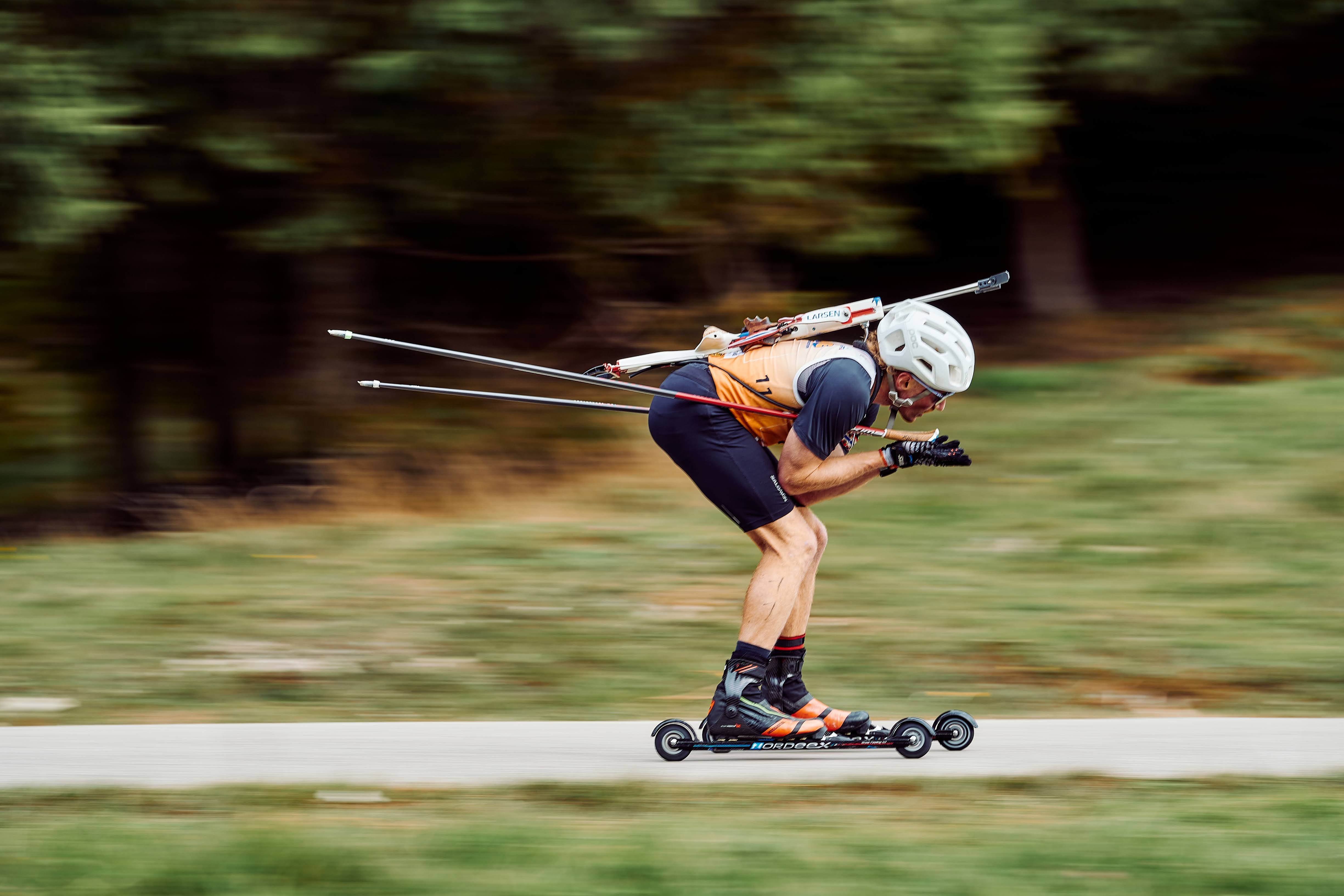
In winter, the focus shifts to performance. The volume decreases to around 13–15 hours a week, but the intensity increases. There are more intervals, more shooting under pressure, and more rest to make sure the body can adapt. The goal in winter isn’t to be tired, it’s to be sharp.”
Race Season & Olympic Qualification
You recently won a 10 km sprint in the British selection races. How did that result feel?
Jefferies: “It was a great indicator that the preparation has been working. The race included some strong Ukrainian and Austrian athletes, so it was competitive. Feeling good at this stage of the season gives me confidence heading into the IBU Cup.”
Is everything now focused on Olympic qualification?
Jefferies: “Yes, that’s the big goal! The qualification window closes on 18 January, and I have about six races to score enough points. The level on the circuit is high, so I’ll need to perform well consistently.
My race schedule is fixed: three race weekends before Christmas, then two after New Year. I’m in Austria now, then I move to Italy and Switzerland. If things go well, I’ll race two World Cups in early January. It’s intense, but I believe I can do it.”
Partnerships & Giving Back
You’re currently building partnerships to support your Olympic campaign. What do you look for in a collaboration?
Jefferies: “For me, it has to be a two-way relationship. Biathlon has huge visibility in Europe - especially in Germany, Austria, and France - and athletes can display partner logos on rifles, beanies, race suits and more.
But it’s not just about visibility. I want to give something meaningful back. With Les Gets, for example, I visit the resort and speak with their teams about managing stress and performance, and what athlete life looks like. I want partners to feel genuinely involved in the journey, not just financially attached to it.”
Looking Ahead
If you qualify for the Olympic Games, what are your long-term goals?
Jefferies: “Qualifying would mean the season has gone really well, and it would hopefully give me the support I need to continue another four-year cycle. The next Olympics after that will be in the French Alps, about an hour from where I live, so that’s a huge dream of mine.
I’m also very interested in sustainability and how sport can contribute to it, especially winter sports. I’d love to work later in sports governance, sport-tech or performance innovation - finding ways to give back to the sport and help it evolve responsibly.”
Favourite Place to Ski
And finally, where do you enjoy skiing the most?
Jefferies: “That’s easy! Les Gets and Avoriaz” anywhere in the Portes du Soleil. It’s where I grew up and where I still train. It’s beautiful, welcoming, and has a really special atmosphere in winter. I always recommend it.
Keep up to date with Tracks and Trails through our newsletter, click here to sign up. For more information about our adventure holidays, either bespoke or Scheduled Departures, speak to one of our expert team by calling +44 1663 434468 or email
In winter, we offer snowshoeing and cross-country skiing, while in summer we would encourage you to join us for hiking, and trail running.